Consumer Report · Hobbies & Leisure
A find that a man with a metal detector made on the foreshore of the River Thames has become the talk of England
What began as an ordinary morning walk along the muddy foreshore of the Thames at low tide led a 62-year-old hobbyist from Greater London to a remarkable discovery – and an estimated value he had not expected himself.
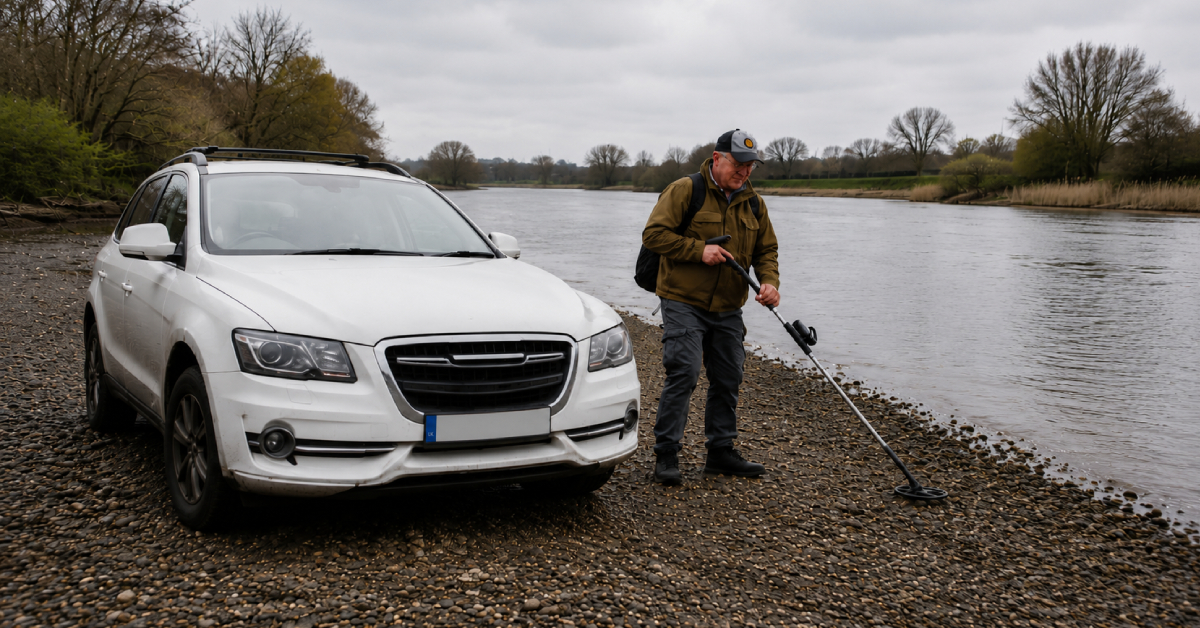
It was one of those quiet, slightly hazy mornings in spring when Bernard R. (62) from a small town on the outskirts of London, as so often, laced up his sturdy boots, packed his folding trowel into his rucksack and set off with his metal detector for a familiar stretch of the Thames foreshore. "For me it isn't a sport, it's relaxation," he says. "The soft lapping of the water, the steady ticking in the headphones – that's when I really unwind."
From the armchair into the open air – a hobby that changes daily life
About three years ago, shortly after he retired, Bernard fell into a rut. "Suddenly you have a lot of time and no idea what to do with it." A neighbour, himself a keen mudlark and detectorist, eventually talked him into coming along on a morning walk. Since then he has been out three or four times a week – along the tidal foreshore, on ploughed fields on the outskirts of the city and along old country lanes.
What he has found over the past few months sounds unspectacular at first:
- Dozens of small coins from the post-war period – mostly pennies and a few old shillings
- A lost wedding ring, which he returned to its owner via the local lost-property office
- Old bottle caps, tent pegs and the remains of a rusted pocket knife
- An incomplete pocket watch and a bunch of keys
- A small silver pendant in the shape of an anchor
"Most of it is small stuff," Bernard says with a smile. "But for me it's not really about the money. It's about being outdoors and the little stories behind every piece."
Then a deep, powerful signal came out of the mud along the water's edge
On that Sunday he walked a little further along the tidal edge than usual – down where the exposed foreshore reaches almost to the old wooden pilings. "Suddenly I heard a full, deep tone, quite unlike the thin beep of a bottle cap." His pin-pointer told him: the object lay about 40 centimetres deep. Carefully he dug for over twenty minutes, measuring again and again so as not to damage it.

What emerged was a small, heavy bronze bell, about 17 centimetres tall, covered with a greenish patina – probably a signal or ship's bell from the early 1900s, of the kind once carried on the small vessels and barges that plied this stretch of the Thames.
"I just sat there on the foreshore holding this thing in my hands. The wet mud crumbled between my fingers, and I couldn't help laughing like a child. You don't forget a moment like that."
What the experts said
As with any unusual find, that same evening Bernard contacted the Portable Antiquities Scheme's local Finds Liaison Officer and sent photographs. A few days later a specialist and an independent collector's valuer paid him a visit.
Their assessment: the bell probably dates from the 1920s and belonged to the equipment of a small working boat or barge. It is not classed as a protected treasure. It is a purely collectors' item – though one that has its price. The estimated collector's sale value: around £3,400.
"I haven't sold it," Bernard says. "It sits on my shelf. Holding something in your hands that lay under the mud of the Thames for decades – for me that's worth more than the money."
Why more and more people in the UK are taking up metal detecting
Stories like this are no longer unusual. Clubs report significant growth in membership in recent years. There are several good reasons for this:
- Affordable entry: A solid entry-level machine is available from just a few hundred pounds, and running costs are minimal.
- Exercise in the fresh air: A typical outing means two to four hours of steady walking – a gentle alternative to jogging.
- Mental relaxation: Focused listening and rhythmic swinging have been shown to reduce stress.
- A sense of meaning: Every piece tells a small story that can be shared with family or in clubs.
- Alone or in company: Whether early in the morning on your own on the foreshore or on an organised group outing – the community is open and helpful.
What does the kit really cost?
Getting started doesn't need to break the bank. Three classes of machines have become established for beginners and more advanced users:
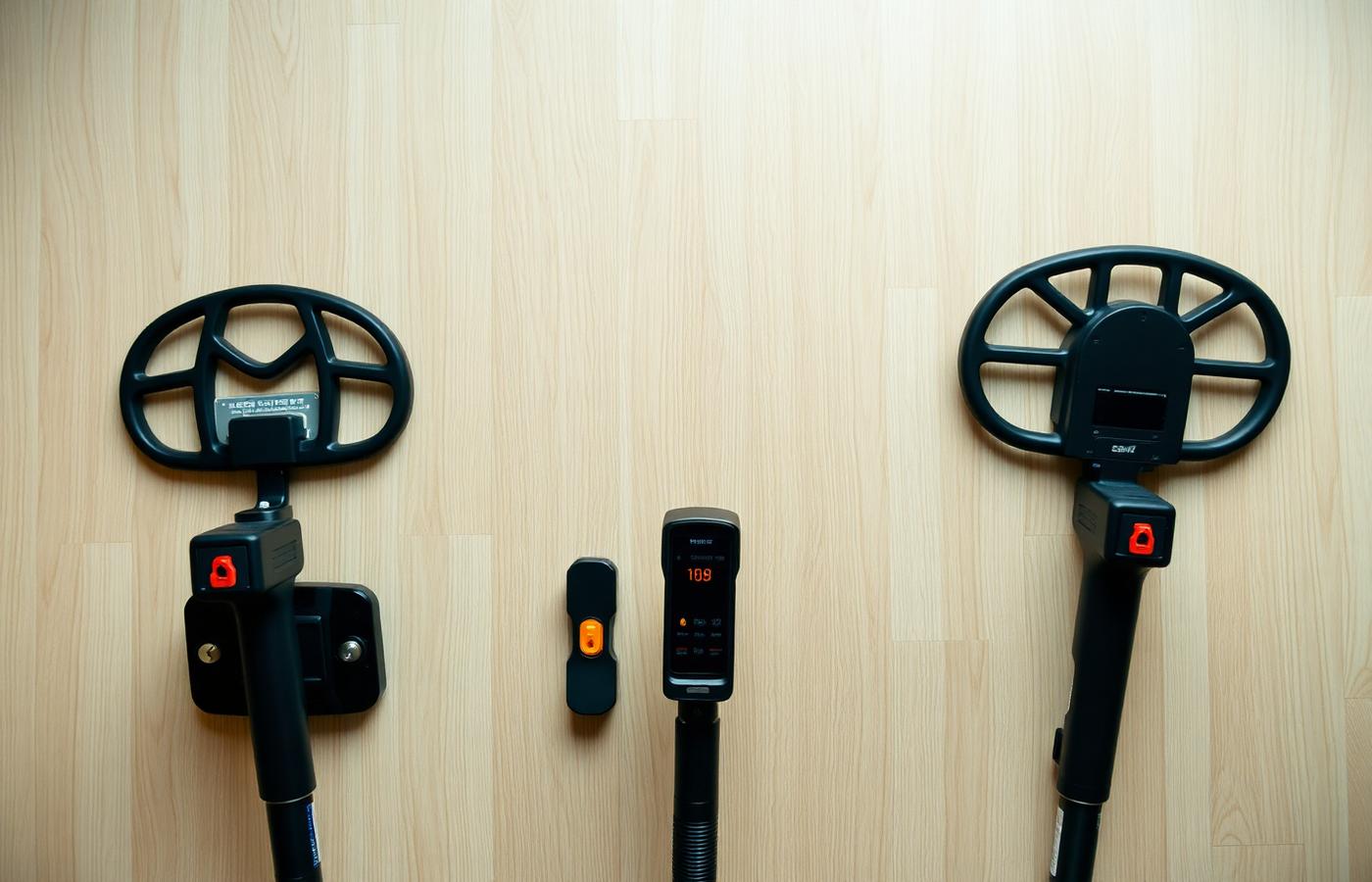
Included: manuals, video guides & English-language support
Every machine comes with a detailed English-language manual, access to our video guides for beginners and telephone support that will also help you during your first outings after purchase.
Important: what the law in the UK allows – and what it does not
Legal note on metal detecting in the UK
Searching with a metal detector is not permitted everywhere in the United Kingdom and in many places requires a permit. The relevant framework includes the Treasure Act 1996, the Ancient Monuments and Archaeological Areas Act 1979 and the rules of the Port of London Authority. Please note:
- A foreshore permit from the Port of London Authority is required for detecting or digging on the tidal Thames foreshore.
- Searching on scheduled monuments, nature reserves and private land without the landowner's permission is prohibited and may result in heavy fines.
- Finds of possible historical or archaeological significance must be reported to the local Finds Liaison Officer under the Portable Antiquities Scheme.
- Potential "treasure" as defined by the Treasure Act 1996 must be reported to the local coroner within 14 days.
- Detectorists should always fill in any holes tidily and take their rubbish home – leave the site cleaner than you found it.
Those who follow the rules can enjoy the hobby entirely legally and with a clear conscience. If in doubt, the Portable Antiquities Scheme or your local finds officer will be happy to help.
How to get started now – with a 15% welcome discount
We want to make it as easy as possible for you to get started. For readers of this article we have prepared a special offer:
15% off your first order
Simply enter your contact details. We will send you your personal voucher code and our free beginner's guide by email.
Note: This article is a paid advertisement. Testimonials are no guarantee of comparable results. Names have been changed at the request of the person featured.